





Loading the page…


Shaping the future of software engineering
Support teams today face an impossible equation: ticket volumes that grow 40% year-over-year while customer expectations for response times shrink to minutes, not hours. Traditional manual triage systems buckle under this pressure, creating cascading delays that frustrate customers and burn out agents. The solution isn't hiring more people—it's deploying intelligent automation that works faster than any human ever could.
The mathematics of modern support are brutal. A typical enterprise receives 15,000-20,000 support tickets monthly, with complexity ranging from password resets to critical system outages. Meanwhile, customer expectations have shifted dramatically: 67% expect responses within four hours, and 41% want answers within one hour for urgent issues.
This creates what support leaders call the "triage trap"—the more tickets that arrive, the longer it takes to properly categorize and route them, which delays responses across the board. A single misrouted ticket can cascade into hours of additional delay as it bounces between teams before reaching the right expert.
The problem compounds during peak periods. Black Friday, product launches, or system incidents can triple ticket volume overnight. Manual triage processes that barely keep pace during normal operations collapse entirely under surge conditions.
Traditional support operations rely on human agents to read, categorize, and route incoming tickets. This manual process introduces multiple failure points:
Classification delays: Agents spend 3-5 minutes per ticket just determining the category and priority level. With hundreds of daily tickets, this represents hours of pure overhead before any actual support work begins.
Routing errors: Studies show manual routing accuracy hovers around 75-80%. One in four tickets gets sent to the wrong team initially, requiring additional handoffs and extending resolution time.
Knowledge gaps: Junior agents often lack the context to properly triage complex technical issues, leading to conservative routing decisions that overload senior specialists with routine problems.
Inconsistent prioritization: Different agents apply priority levels differently, creating queue imbalances where urgent issues get buried behind routine requests.
These bottlenecks don't just delay individual tickets—they create system-wide inefficiencies. When high-priority tickets sit in the wrong queue, customers escalate through management channels, consuming additional resources and creating emergency interrupt cycles that disrupt planned work.
Modern support automation platforms use machine learning models trained on historical ticket data to eliminate manual triage bottlenecks. These systems analyze incoming tickets across multiple dimensions simultaneously:
Content analysis: Natural language processing examines ticket text, identifying technical keywords, error messages, and context clues that indicate the appropriate routing destination.
Customer context: Integration with CRM and product data provides instant access to customer tier, product configuration, and support history, enabling more accurate prioritization decisions.
Agent expertise mapping: The platform maintains detailed profiles of agent skills and current workload, ensuring tickets reach the most qualified available person.
Real-time queue balancing: Dynamic routing algorithms adjust assignments based on current queue depths and agent capacity, preventing bottlenecks before they form.
The key advantage is speed and consistency. Where human agents require minutes to process routing decisions, AI systems make these determinations in milliseconds while maintaining higher accuracy rates than manual processes.
A recent pilot deployment of a support automation platform at a major technology company demonstrated measurable improvements in response efficiency. The implementation focused specifically on automating the initial triage and routing process while maintaining human oversight for quality control.
The results were significant: average response times decreased by 30% within the first month of deployment. This improvement stemmed from several factors:
Perhaps more importantly, the faster response times improved customer satisfaction scores by 18% and reduced escalation rates by 25%. When customers receive faster initial responses, they're less likely to submit duplicate tickets or escalate through management channels.
Deploying a support automation platform requires careful planning but can deliver results quickly with the right approach:
Week 1: Data preparation and integration
Week 2: Model training and testing
Week 3: Pilot deployment
Week 4: Full rollout and optimization
The key to successful implementation is maintaining human oversight during the transition period. Agents should review automated routing decisions initially, providing feedback that improves model accuracy over time.
Support automation platforms represent a fundamental shift from reactive ticket management to proactive operational intelligence. The 30% improvement in response times isn't just a metric—it's the foundation for better customer experiences, more efficient agent utilization, and scalable support operations that grow with your business.
The question isn't whether to automate support triage, but how quickly you can implement systems that eliminate manual bottlenecks. Every day of delay represents hundreds of tickets that could be routed more efficiently and customers who could receive faster responses.
See how a support automation platform can transform your operations. Schedule a demo to explore AI-powered triage capabilities and review implementation options tailored to your current support infrastructure and volume requirements.
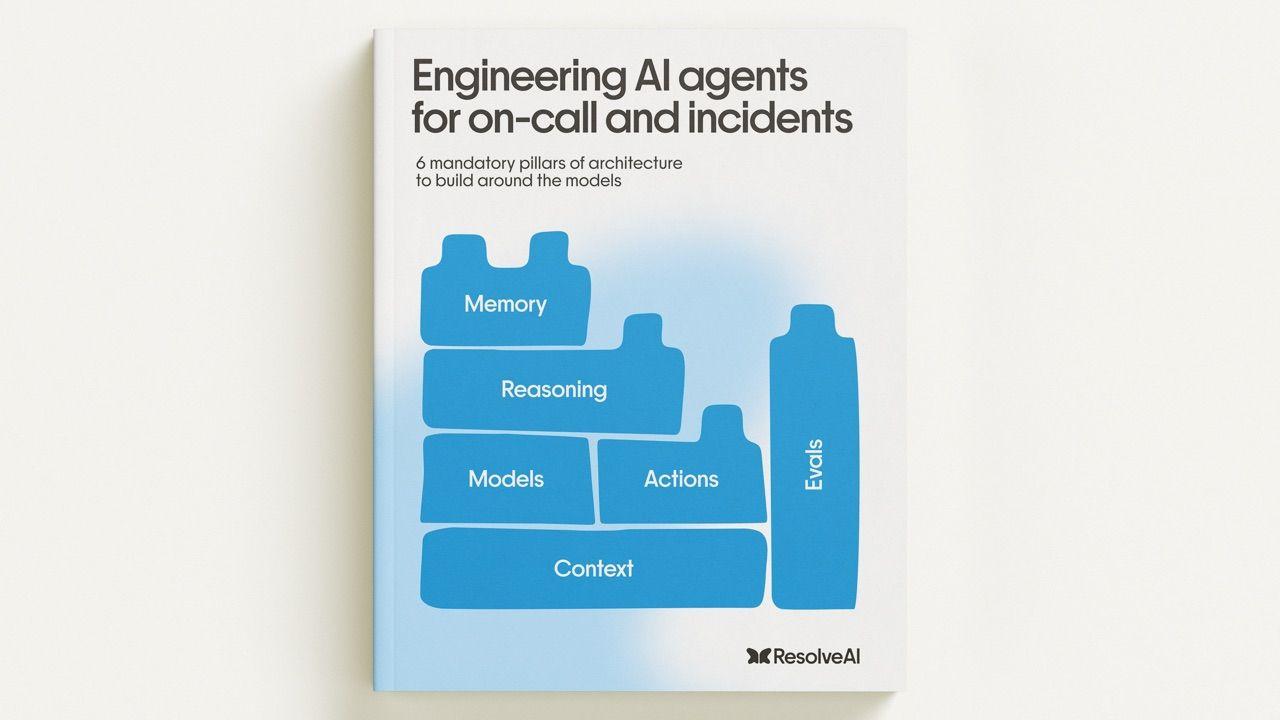
AI for prod ebook
Learn how top engineering teams use AI to run production.
See the agents that run and fix software in action
Join our engineering leads for "Behind the Build", a webinar series deep-dive into how we built agents that run software.