




Loading the page…


Shaping the future of software engineering
When your Kubernetes cluster starts throwing errors, the instinct is to head straight to Stack Overflow. You copy the error message, paste it into the search bar, and hope someone else has solved your exact problem. Sometimes you get lucky. Most times, you don't.
Here's why: the answer on Stack Overflow might explain what a CrashLoopBackOff means in general, but it can't tell you why your pod is crashing. It can't see that your deployment happened to coincide with a resource quota change in your namespace, or that the service mesh configuration was updated yesterday, or that the database connection pool is exhausted because another team scaled up their workload.
Kubernetes debugging isn't hard because the error messages are cryptic. It's hard because understanding what's happening requires connecting dots across code, infrastructure, and telemetry—and that expertise typically lives in the heads of your senior platform engineers.
Debugging a Kubernetes issue means working across three distinct domains simultaneously:
Application layer. Your code runs in containers. When something breaks, you need to understand application logs, runtime behavior, dependencies, and how your service interacts with others. This is where application engineers have expertise.
Infrastructure layer. Kubernetes orchestrates those containers across nodes, manages networking, handles storage, and enforces resource constraints. When pods fail to schedule, nodes become unresponsive, or networking breaks, you're debugging infrastructure. This is platform engineering territory.
Observability layer. Metrics show resource utilization. Logs capture events. Traces reveal request paths. But interpreting this data requires understanding both what the application is doing and how Kubernetes is behaving. This requires cross-domain knowledge that takes months to build.
A single "simple" issue—pods restarting unexpectedly—might require checking application health endpoints, examining node resource pressure, reviewing recent deployments, analyzing network policies, checking service mesh configuration, and correlating metrics across multiple monitoring dashboards. Each of these lives in a different tool, owned by a different team, requiring different expertise.
When you hit a Kubernetes issue you can't solve alone, you escalate. You message the platform team in Slack. You describe what you're seeing. They ask for logs. You paste them. They ask which namespace. You tell them. They ask what changed recently. You're not sure.
This back-and-forth isn't inefficiency—it's the platform engineer gathering context so they can actually help you. They need to reconstruct in their head what you're seeing, what you've already tried, and how your specific setup differs from the standard configuration.
If the issue spans teams—maybe it involves both application behavior and infrastructure configuration—you're now coordinating between multiple people. Context gets lost in handoffs. The person who understands the application code doesn't understand the Kubernetes networking model. The person who understands Kubernetes doesn't have access to your application's internal metrics.
Your senior engineers have built mental models that bridge these gaps. They've debugged enough incidents to know that when you see pattern X in the logs alongside pattern Y in the metrics, you should check Z first. They know which Kubernetes behaviors are red herrings and which signal real problems. They know how your specific infrastructure is configured and where the gotchas are.
But this knowledge isn't documented. It can't be. Most of it is implicit pattern recognition that experts can't articulate until they're in the moment.
Stack Overflow can tell you what a PersistentVolumeClaim is. It can't tell you that your PVC is failing because your storage class doesn't support dynamic provisioning in your specific cloud environment, and that there's a workaround your platform team implemented six months ago that's documented in a Confluence page that's hard to find.
Generic debugging guides can walk you through checking pod status, examining events, and reviewing logs. They can't tell you that in your environment, you should check the service mesh sidecar logs first because there was an Istio upgrade last week that introduced a known issue with retry logic.
The gap between generic knowledge and actionable solutions is context—the specific details of your systems, your configuration, your recent changes, and your organization's accumulated learnings. This is what makes Kubernetes debugging hard.
Resolve AI provides an interface to production that combines expertise across domains with complete context about your specific systems.
When you ask it to investigate a Kubernetes issue, it doesn't search Stack Overflow. It examines your actual cluster state, understands your infrastructure configuration, reviews recent deployments, checks relevant logs and metrics, and reasons about how these pieces interact in your specific environment.
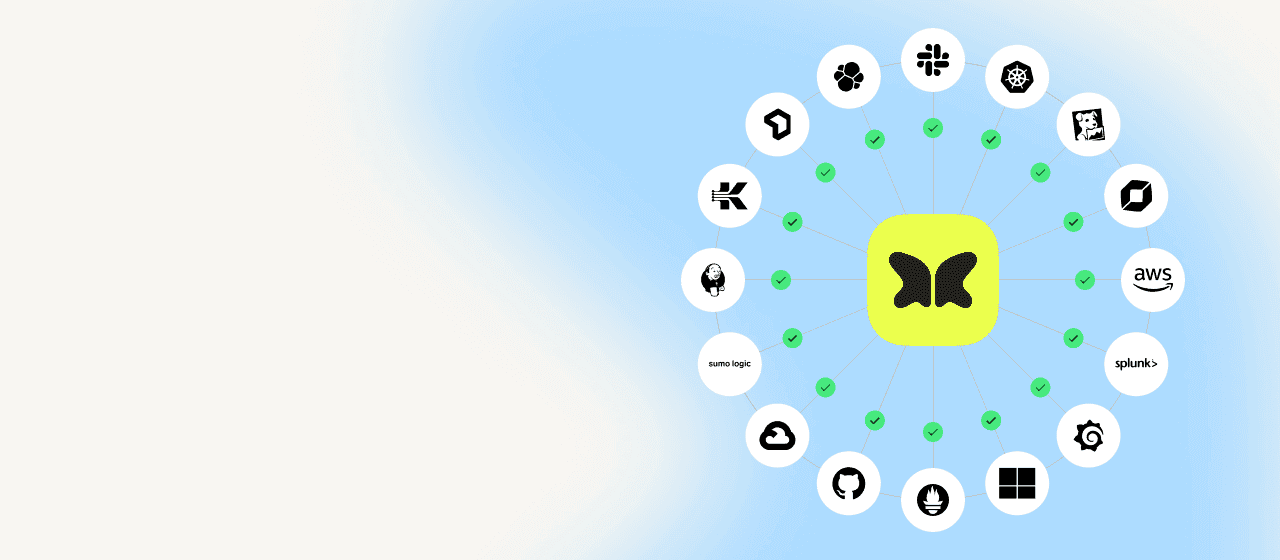
Complete production context. Resolve AI connects to your Kubernetes clusters, container registries, CI/CD pipelines, observability tools, and knowledge sources. It builds a live model of your infrastructure: which services run where, how they're configured, what dependencies exist, which teams own what. When investigating an issue, it operates with the full context that a senior platform engineer would have—but without needing to manually gather it.
Cross-domain investigation. Kubernetes issues rarely have single causes. Resolve AI pursues multiple hypotheses simultaneously across application, infrastructure, and observability domains. It checks whether the issue is code-related, infrastructure-related, or configuration-related—in parallel—the way your entire team would if everyone had context and was immediately available.
Institutional knowledge. Resolve AI learns from your organization's accumulated experience. That workaround your platform team implemented? The Istio upgrade issue? The storage class limitation? These become part of the investigation process. When an engineer corrects Resolve AI's reasoning or an investigation path leads to resolution, that knowledge propagates—so the next engineer doesn't have to rediscover it.
With Resolve AI, application engineers can investigate Kubernetes issues without immediately escalating to the platform team. They can ask questions like "why is this pod crashing?" or "why can't this service reach the database?" and get answers grounded in their specific infrastructure.
Platform engineers use it to handle escalations faster. Instead of gathering context through Slack messages, Resolve AI provides a complete investigation: what's happening, what was checked, what the evidence shows, and what the recommended fix is.
The result isn't just faster debugging. It's distributing the cross-domain expertise that used to bottleneck on senior engineers—giving every engineer the capability to work with production systems effectively.
Stack Overflow is valuable for learning concepts. But debugging production Kubernetes requires understanding your specific systems—how they're configured, how they've evolved, what's changed recently, and what patterns your team has learned to recognize.
Resolve AI provides that understanding. It works across code, infrastructure, and telemetry to investigate issues, identify root causes with evidence, and provide fixes that work with your systems as-is. No rip-and-replace required. No waiting for the platform team to have time. No copying error messages into search boxes and hoping.
See how Resolve AI works with your Kubernetes infrastructure. [Book a demo →]
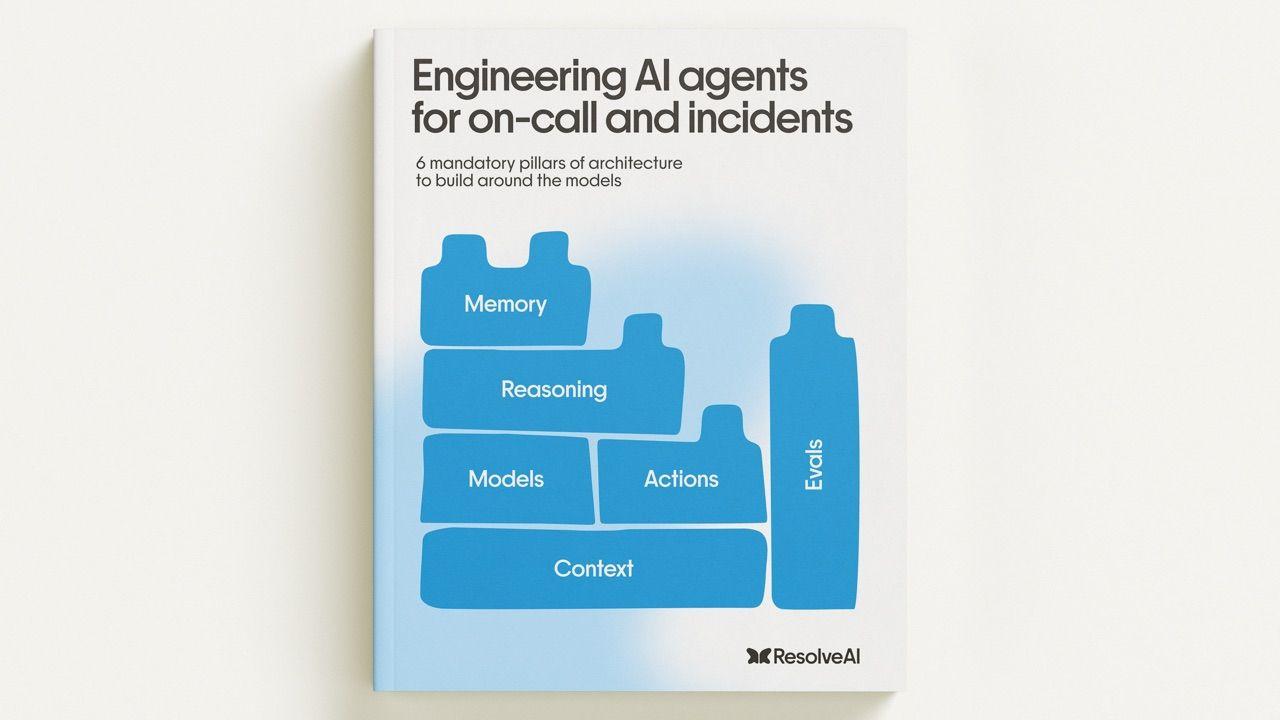
AI for prod ebook
Learn how top engineering teams use AI to run production.
See the agents that run and fix software in action
Join our engineering leads for "Behind the Build", a webinar series deep-dive into how we built agents that run software.