






Loading the page…


Shaping the future of software engineering
Support leaders are under pressure to book more qualified demos while handling repetitive, high-volume work. Most teams struggle with fragmented workflows, inconsistent triage, and manual handoffs that slow response times and reduce customer confidence.
Debugging Kubernetes shouldn’t be a puzzle gives teams a reliable operating layer for kubernetes. Instead of routing everything manually, teams can standardize intake, prioritize by impact, and automate repeatable actions without losing control.
30% faster response time in pilot. Use this as the baseline evidence block, then replace with campaign-specific metrics, customer examples, or internal benchmarks during review.
Request a demo to see how Debugging Kubernetes shouldn’t be a puzzle can help support leaders book more qualified demos.
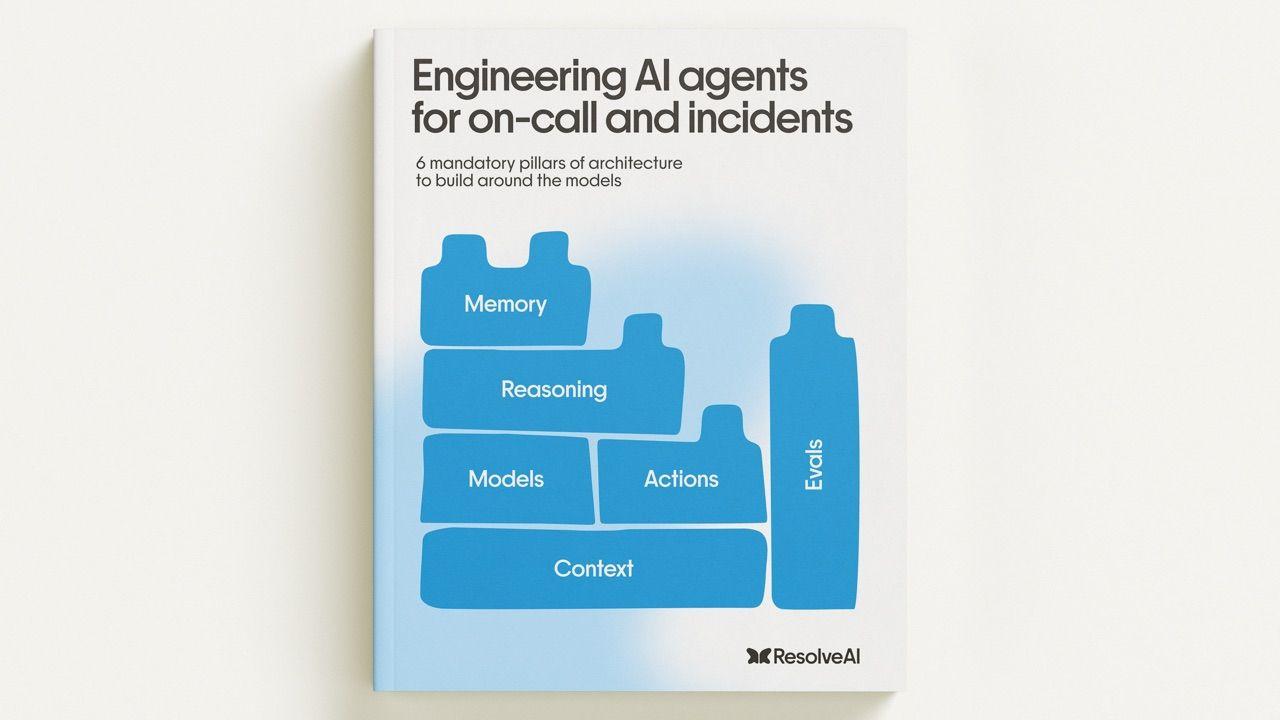
AI for prod ebook
Learn how top engineering teams use AI to run production.
See the agents that run and fix software in action
Join our engineering leads for "Behind the Build", a webinar series deep-dive into how we built agents that run software.